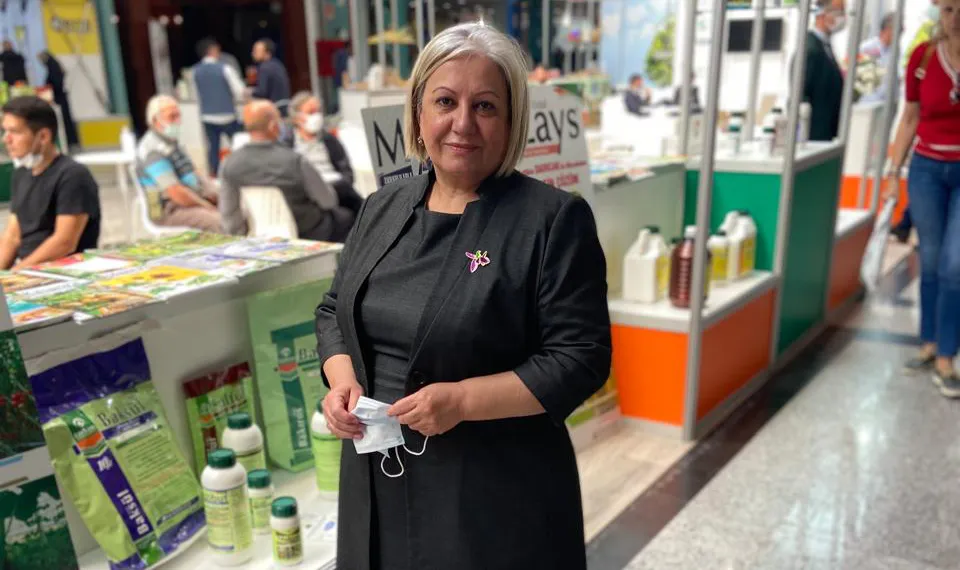
NIGAR KAMILOVA
Professor · Doctor of Medical Sciences · Physician · Scientist · Inventor
Obstetrics and Gynecology · Perinatal Medicine · Gerontology · Medical Innovation
From the first moments of life to active longevity.
Medicine that not only treats, but anticipates.
For more than three decades, my professional work has brought together clinical medicine, scientific research, university education, international collaboration, and the development of innovative medical technologies.
At the center of my scientific interests is human health as a dynamic system, the body’s capacity for physiological adaptation, the mechanisms underlying disease development, and opportunities for early prevention.
My professional goal is to combine clinical experience, fundamental science, and modern technologies to advance personalized prevention and preserve human health throughout life.
About Me – My Professional Journey
My Path in Medicine and Science

My professional journey began with medical education and clinical practice. In 1987, I graduated from the N. Narimanov Azerbaijan State Medical Institute.
Since 1994, my professional activity has been associated with Azerbaijan Medical University, where clinical medicine, teaching, and scientific research have become complementary areas of my work.
My work in obstetrics and gynecology gradually shaped my interest in the mechanisms of physiological adaptation, the state of the fetoplacental system, and the causes of perinatal pathology.
Subsequently, my clinical research expanded to include regional health factors, the molecular and genetic mechanisms of longevity, environmental influences, and the body’s functional reserves.
This transition from clinical observations to interdisciplinary research became the foundation of my current scientific concept.
Key Academic Milestones:
1987 – Medical Education
Graduated from the N. Narimanov Azerbaijan State Medical Institute.
1994 – Beginning of University Career
Joined Azerbaijan Medical University.
1997 – Candidate of Medical Sciences Dissertation
“Characteristics of Pregnancy, Labor, and the Fetoplacental System in Primiparous Women of Different Age Groups.”
2008 – Doctoral Dissertation
“Approaches to Reducing Perinatal Pathology in Selected Regions of the Republic of Azerbaijan.”
2016 – Academic Title of Professor
Further development of academic, research, scientific, and educational activities.
Today – New Scientific Directions
International research, gerontology, adaptive physiology, intelligent diagnostics, and medical innovation.
Scientific Achievements and Teaching Activities
200+ scientific publications
7 monographs
9 inventions
24 educational and methodological manuals
6 successfully defended Candidate of Sciences dissertations under my supervision
30+ years of scientific and teaching experience
Scientific knowledge acquires particular value when it becomes the foundation of education and practical medicine.
My work at the university allows me to combine scientific research with the education of future physicians and the development of a research culture among young professionals.
Modern medical education should develop not only professional knowledge, but also the ability to independently analyze clinical information, understand the mechanisms of pathological processes, critically evaluate scientific evidence, and make well-founded decisions.
I place particular importance on training young researchers, ensuring scientific continuity, and developing educational materials that integrate fundamental knowledge with modern clinical approaches.
I regard scientific and teaching activities as an essential component of the development of medicine, because education is where a new generation of physicians is formed – professionals capable not only of applying existing knowledge, but also of creating new knowledge.
Research at the Intersection of Clinical Medicine, Ecology, and Human Biology
An important area of my scientific activity is participation in national and international grant projects focused on population health, the biogeochemical characteristics of the environment, the molecular mechanisms of longevity, and the physiological adaptation of the human body.
Between 2012 and 2021, I participated in scientific research supported by the Science Foundation under the President of the Republic of Azerbaijan, as well as in international research projects.
This work allowed me to expand my scientific focus from the clinical aspects of obstetrics and perinatology to the study of human health at the molecular, physiological, environmental, and population levels.
Scientific Project Portfolio
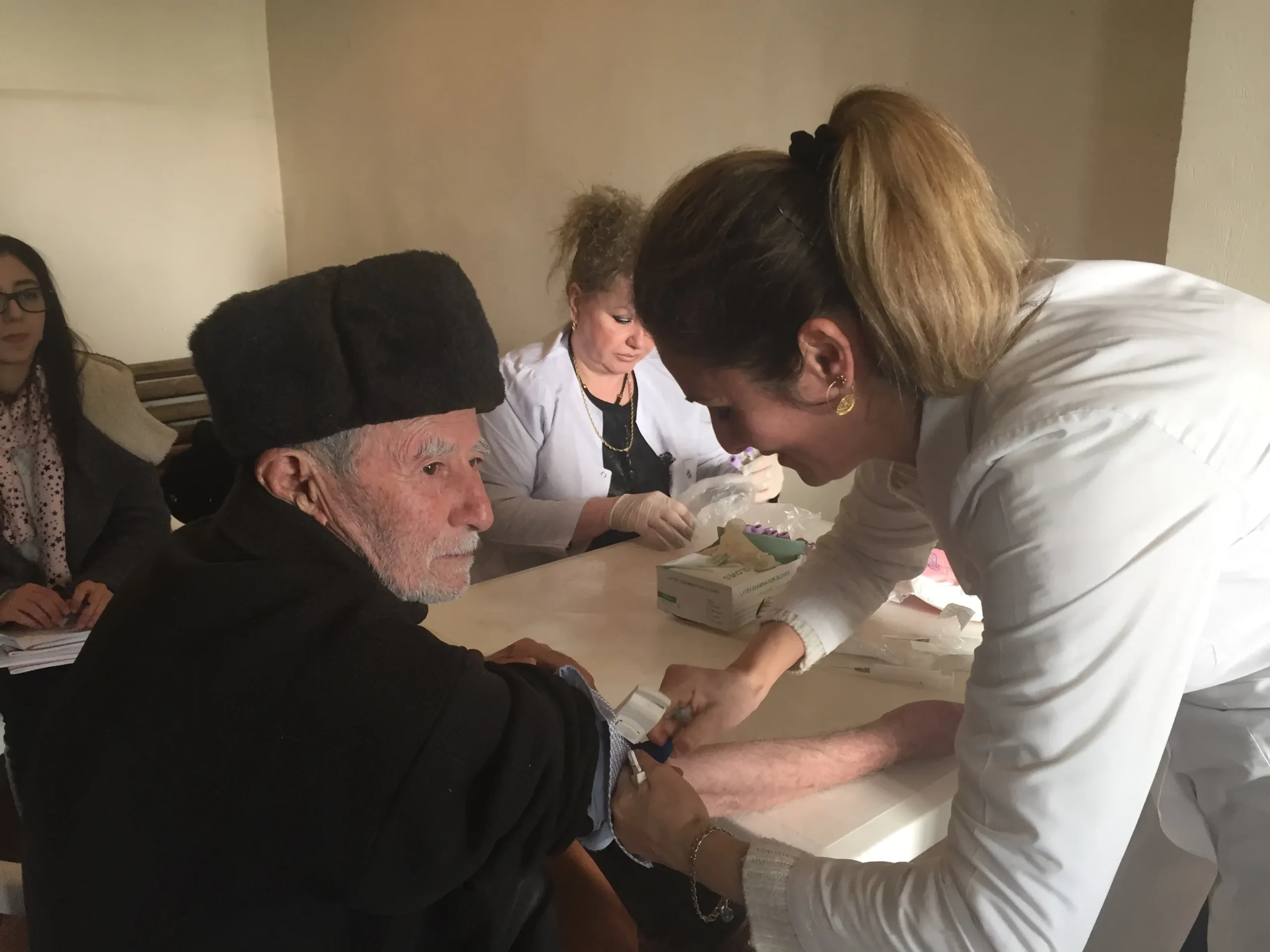
1. Study of the Health Status of Internally Displaced Persons from Nagorno-Karabakh
Role: Project Leader
A study of the health status of populations affected by forced displacement, examining medical, social, and environmental factors relevant to public health.
2. Biogeochemical Zoning and Regional Forecasting of the Health Status of the Population of Azerbaijan
A study of the relationships between the natural geochemical characteristics of different territories and population health, aimed at developing regionally oriented preventive approaches.
3. Development of the Molecular and Genetic Foundations of Longevity
International Project · Co-author
Research into molecular and genetic factors associated with lifespan, aging processes, and individual characteristics involved in maintaining the body’s functional reserves.
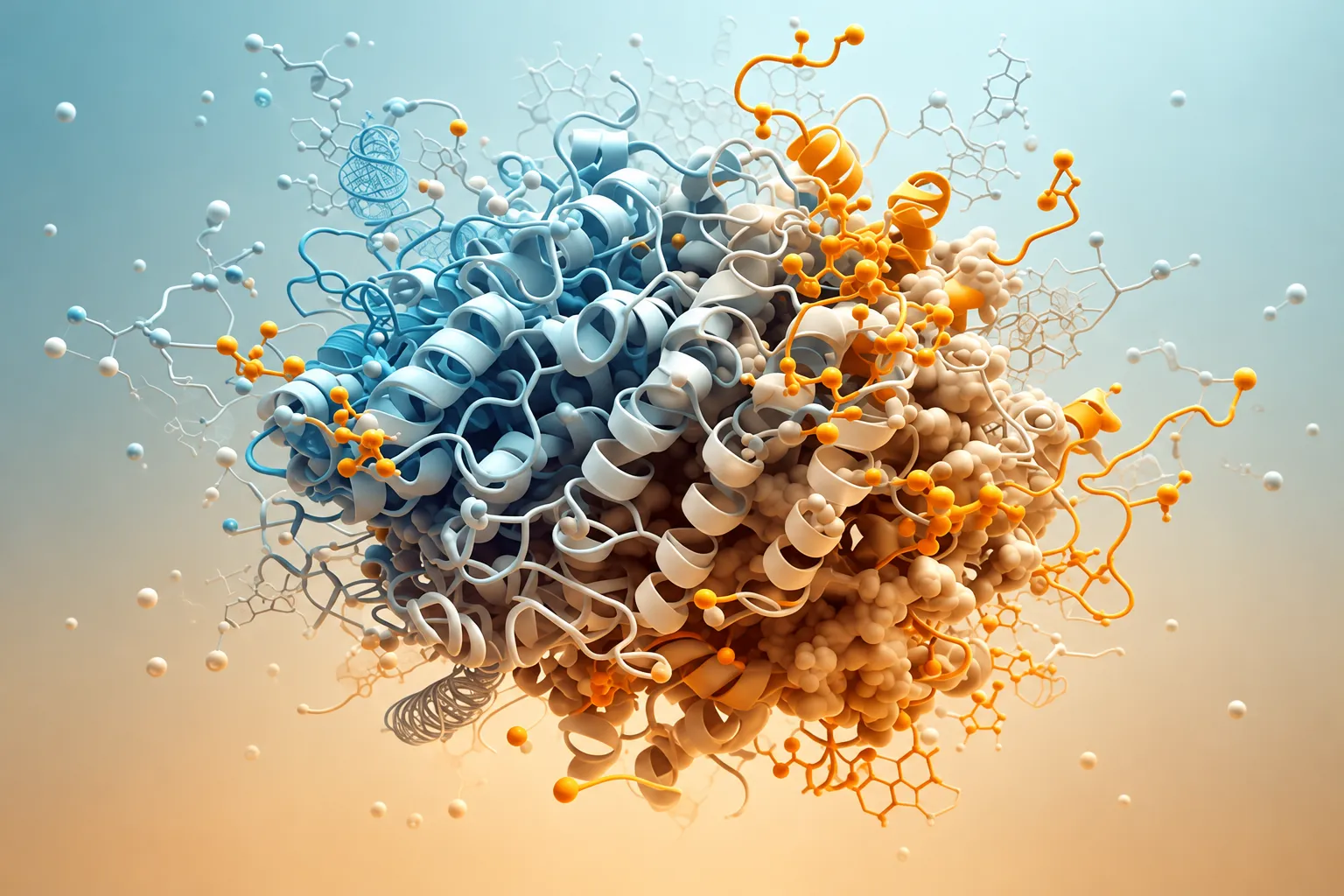
4. A Multidisciplinary Approach to the Structural and Functional Properties of Proteins in Normal and Pathological Conditions
Research into the fundamental characteristics of protein structures and their functional changes under physiological and pathological conditions using interdisciplinary scientific approaches.

5. Study of Quality of Life and Longevity Among Populations Living in Areas of Azerbaijan with Elevated Natural Background Radiation
2018-2020 · International STCU Grant No. 6402 · Co-author
A joint study with Ukrainian scientists focusing on quality of life, longevity, and health characteristics of populations exposed to elevated levels of natural background radiation.
6. Effects of Naturally Occurring Radiation and the Adaptive Physiology of the Human Body
2025-2027 · Project Leader
Research into the physiological mechanisms of adaptation, functional reserves, and resilience of the human body under exposure to natural radiation factors.
Gerontology and Healthy Longevity
Not simply living longer – preserving quality of life
Since 2017 – Vice President of the Azerbaijan Society of Gerontologists.
A special place in my scientific work is devoted to studying the mechanisms of aging, the body’s functional reserves, and the factors that determine healthy longevity.
Life expectancy is an important demographic indicator, but by itself it does not fully reflect a person’s physical, cognitive, and social well-being.
From a scientific perspective, preserving functional independence, the stability of physiological systems, the body’s adaptive capacity, and the ability to maintain an active life at older ages are of fundamental importance.
My research in gerontology focuses on the molecular and genetic mechanisms of longevity, functional reserves, biological age, and the influence of environmental factors on aging processes.
The development of these research areas creates a scientific basis for personalized approaches to preventing age-associated disorders and assessing individual health trajectories.
Medical Inventions and Innovations
From a clinical problem to an engineering solution
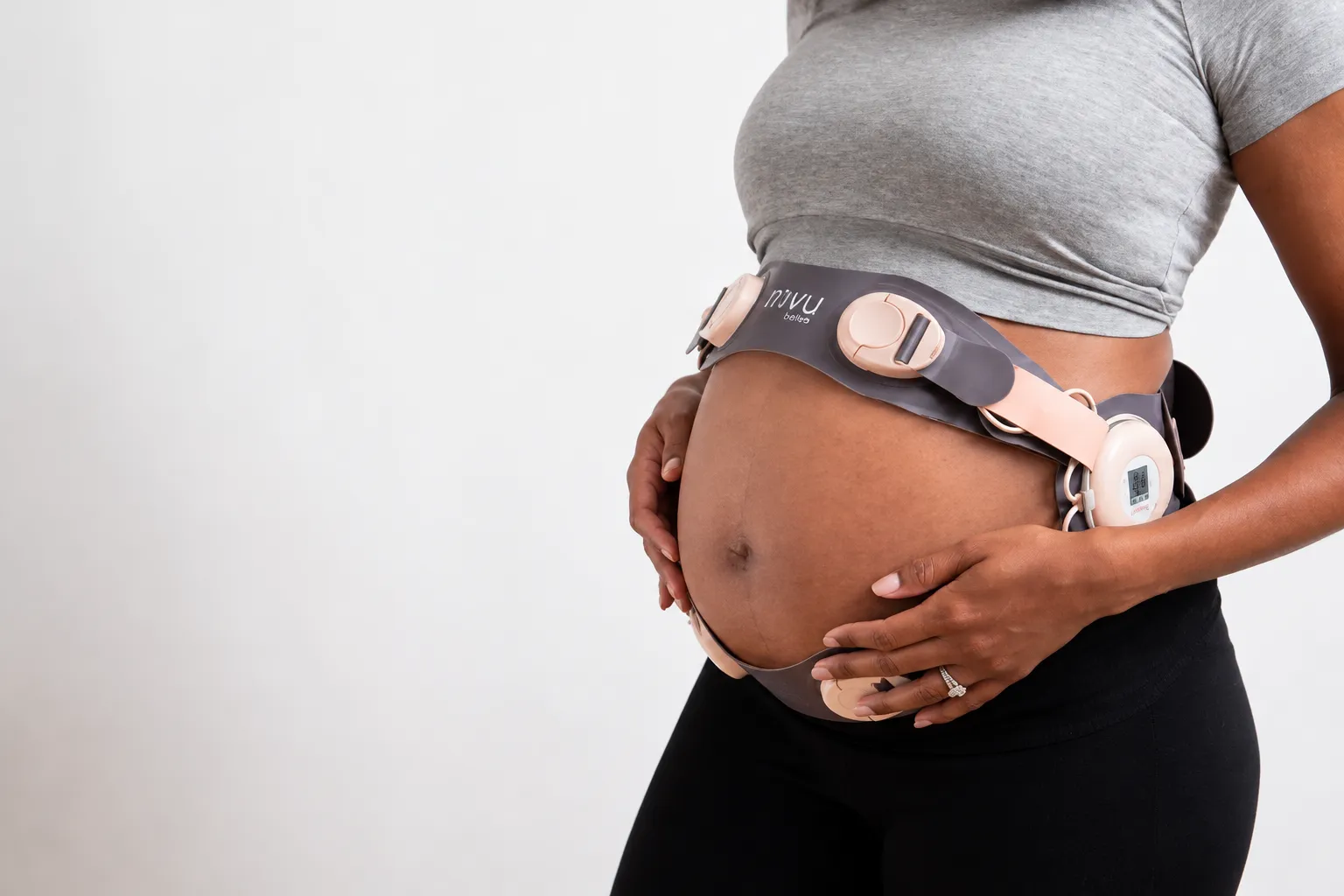
PHI™ – Pregnancy Health Index
An intelligent system for monitoring the condition of a pregnant woman and fetus using biosensor technologies and algorithms for assessing individual obstetric risks.
The development focuses on the dynamic analysis of physiological parameters and the creation of additional tools to support clinical decision-making.
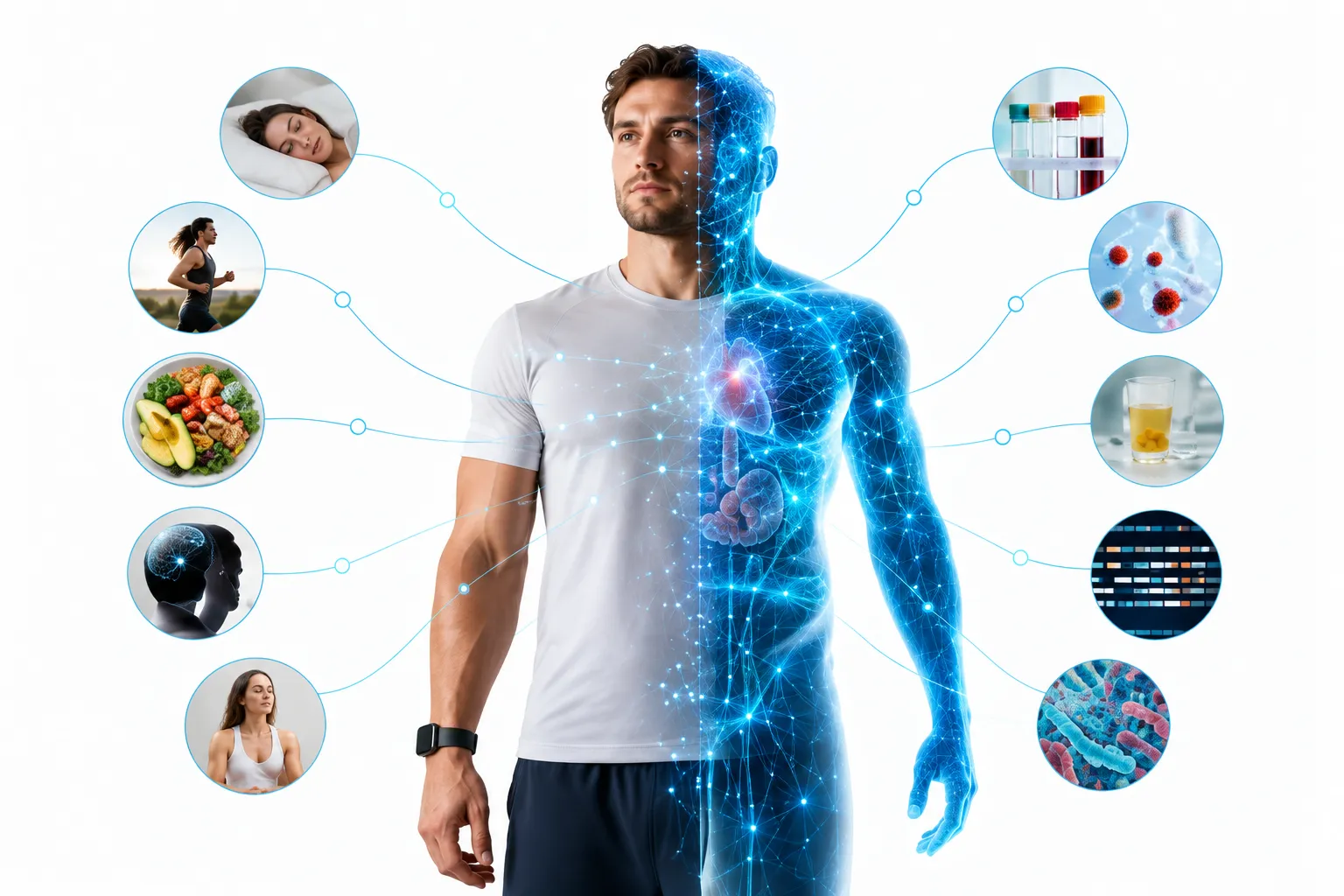
LIFEMAP HUMAN™
A human digital twin concept designed for the comprehensive assessment of biological age, functional reserves, and individual aging trajectories.
The project integrates clinical, laboratory, physiological, and behavioral data to advance personalized prevention.
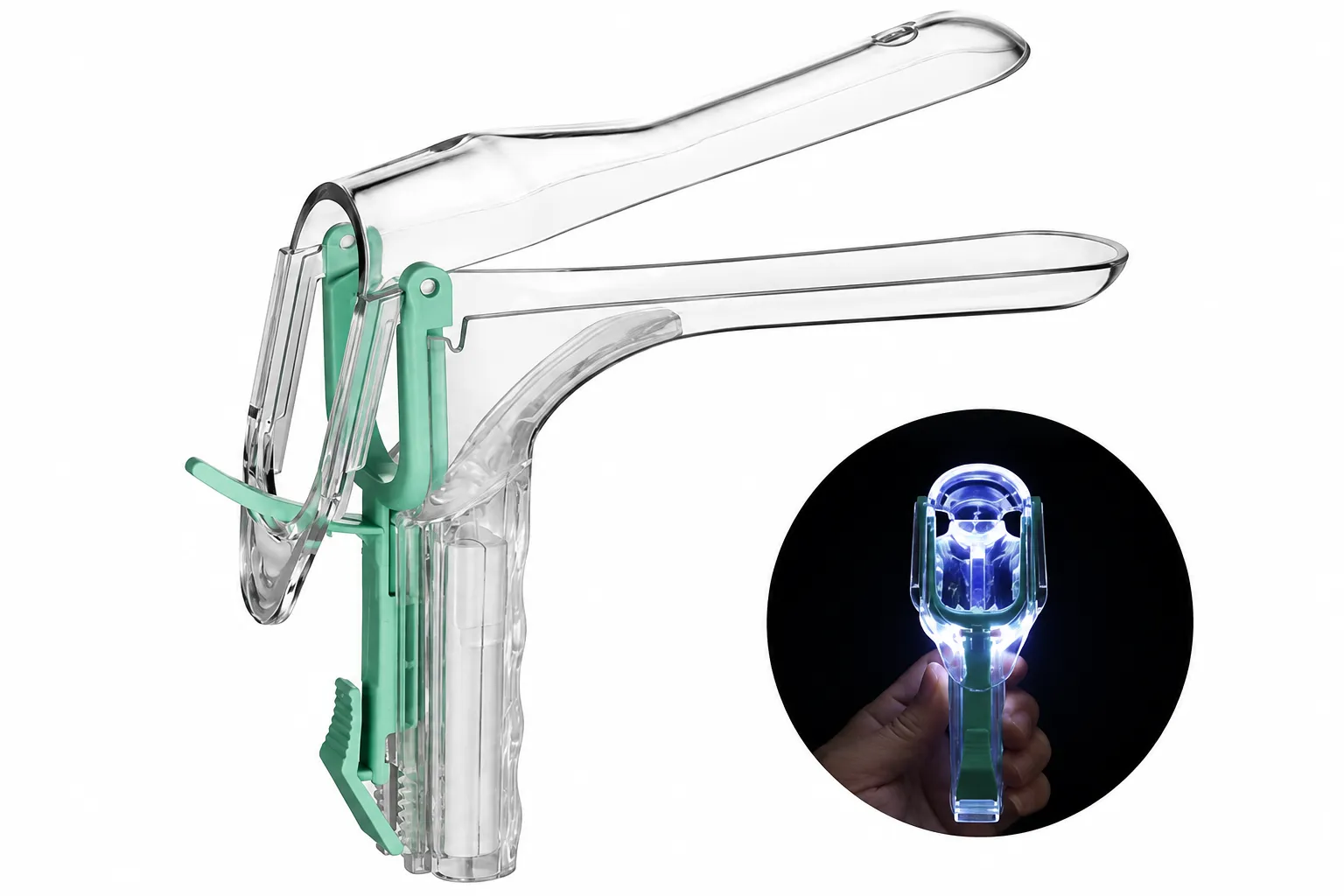
POLIGYN™
An original gynecological speculum design incorporating additional functional elements.
The development is aimed at improving the technical capabilities of diagnostic and therapeutic procedures in gynecology.
From Physiological Adaptation to Personalized Medicine
At first glance, perinatology, medical ecology, gerontology, and digital health may appear to be separate areas of scientific research.
However, my research is based on a common fundamental question – the ability of the human body to maintain physiological stability, adapt to changing conditions, and preserve functional reserves throughout life.
Pregnancy represents a unique model of systemic physiological adaptation, involving profound changes in neuroendocrine, cardiovascular, metabolic, and immune mechanisms.
Aging is accompanied by the gradual restructuring of regulatory systems, changes in functional reserves, and reduced resilience to adverse influences.
Research into environmental factors also makes it possible to investigate individual differences in adaptive responses and the mechanisms that maintain physiological balance.
This is why I regard perinatal medicine, gerontology, and adaptive physiology as interconnected areas in the study of human health.
Advances in biomedical sensors, digital technologies, and intelligent algorithms create opportunities to integrate this knowledge into new diagnostic and predictive systems.
My scientific concept is based on a transition from recording already established pathological changes to the dynamic assessment of an individual’s physiological state, identifying early signs of impaired adaptation, and providing personalized disease prevention.
International Scientific Collaboration
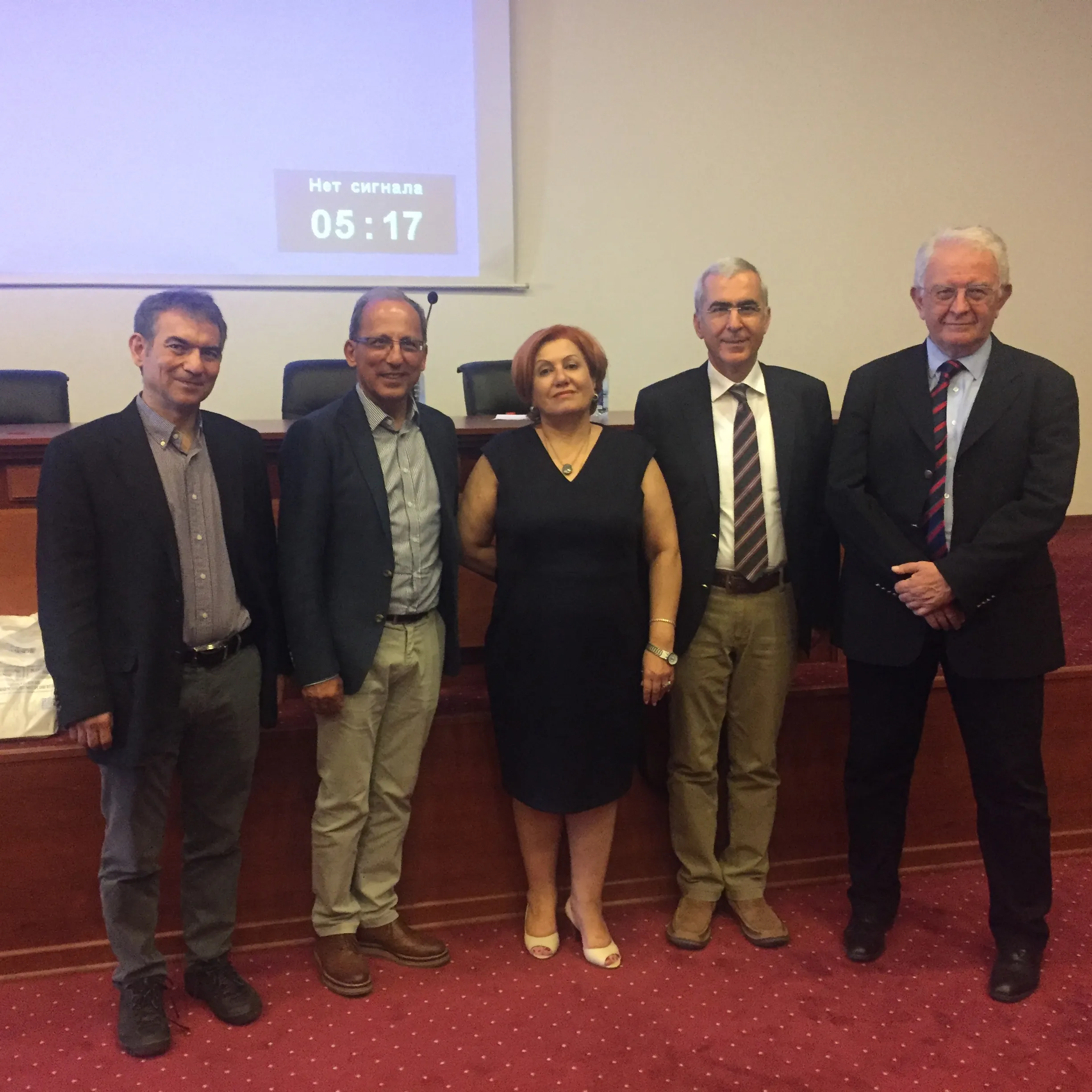

Science advances through collaboration
Modern medical research increasingly requires collaboration among specialists from different scientific disciplines, research centers, and countries.
International collaboration is an important part of my professional activity, enabling me to broaden scientific approaches, exchange experience, and develop joint research.
International projects in medical ecology, molecular gerontology, adaptive physiology, reproductive medicine, and biomedical technologies are of particular importance to me.
I regard participation in international grant-funded research and scientific conferences not only as an opportunity to present the results of my own work, but also to establish new research partnerships that contribute to the development of medical science and practical healthcare.
Public Activities – “Sağlam Nəsil”
Science should serve society

Since 2007 – Chairperson of the “Sağlam Nəsil” (“Healthy Generation”) Public Association.
For me, public activity is a natural continuation of the professional responsibility of a physician and scientist.
Improving public health cannot be achieved solely through the development of medical technologies and improvements in clinical care.
Medical literacy, preventive education, social support, the promotion of healthy lifestyles, and access to scientifically grounded information play an equally important role.
These principles form the foundation of the activities of the “Sağlam Nəsil” Public Association.
Particular attention is given to developing educational and awareness initiatives, reproductive health, youth support, strengthening intergenerational interaction, and fostering a culture of responsible attitudes toward health.
For me, the Association provides an opportunity to bring together medical professionals, educators, researchers, and members of society around a common goal – preserving health and improving the population’s quality of life.
Today and Tomorrow – Science That Continues
Today, my professional work brings together clinical medicine, scientific research, university education, international grant projects, gerontology, medical invention, and public initiatives.
I place particular emphasis on developing intelligent diagnostic technologies, studying the body’s functional reserves and mechanisms of physiological adaptation, and creating personalized approaches to disease prevention.
For me, scientific work is a continuous process of asking new questions, seeking evidence, reconsidering accumulated knowledge, and developing solutions capable of practical application.
I continue to work on scientific and innovative projects, develop interdisciplinary collaboration, contribute to the training of young professionals, and support public health initiatives.
I view my professional journey not as a sequence of academic degrees and positions achieved, but as a continuous process of exploration, research, and the creation of new possibilities for medicine.
The medicine of the future begins with the questions we ask today and the solutions capable of transforming the quality of human life tomorrow.
Nigar Kamilova
Professor, Doctor of Medical Sciences